Professional Residential Electrician for Secure and Efficient Services
A experienced home electrician maintains a key role in safeguarding the safety and efficiency of power installations in homes. These trained technicians are capable to undertake installations, repairs, and upgrades, ensuring compliance with safety standards and local codes. Widespread problems, including inconsistent brightness or defective lines, commonly need expert care. Recognizing the breadth of their activities raises important concerns about safety, reliability, and the long-term health of a home's electrical infrastructure. What should dwelling owners reflect on before bringing in?
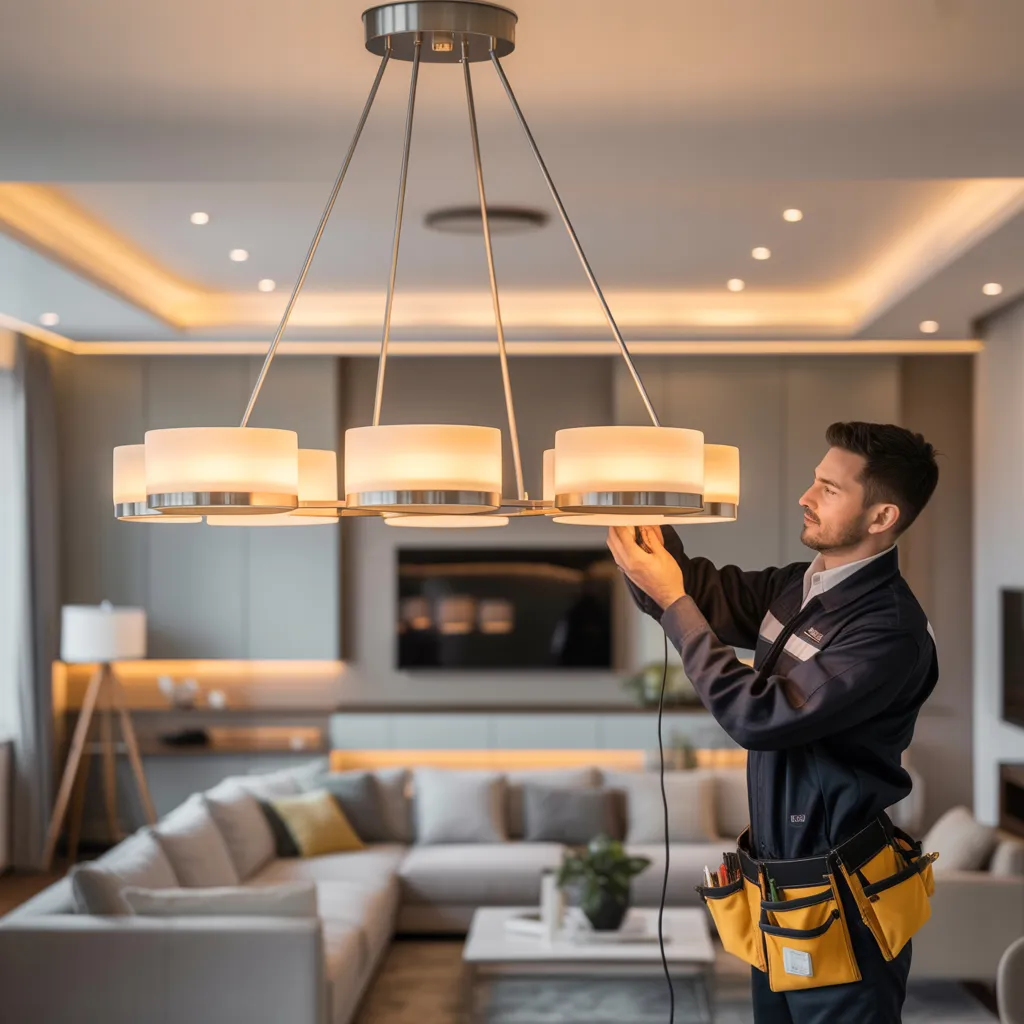
What Responsibilities Does a Residential Electrical Specialist Genuinely Have?
A residential electrician focuses on the installation, maintenance, and repair of electrical systems within homes. Their main duties encompass wiring, circuit installation, and the setup of lighting fixtures. They also diagnose electrical issues, ensuring that systems operate efficiently and safely.
Besides these tasks, residential electricians execute routine inspections to pinpoint potential hazards and ensure compliance with relevant codes. They commonly upgrade existing systems to accommodate new appliances or technology, thereby boosting a home's functionality.
Additionally, they extend valuable consultation services, directing homeowners toward eco-friendly energy options and innovative electrical designs. A residential electrician furthermore works alongside other contractors throughout renovations or new constructions, guaranteeing that electrical work functions harmoniously with other components of the project. By using professional-grade equipment and conforming to industry standards, they constitute an essential role in sustaining a safe and reliable electrical environment in residential settings.
Security Requirements in Electrical Work: Essential Facts for Homeowners
What tactics can homeowners employ to guarantee their power infrastructure remain safe and regulatory compliant? Understanding safety rules is paramount. Electrical codes, such as the National Electrical Code (NEC), offer a standard for secure installations and techniques. Property owners should verify their installations meet these specifications to lessen threats of electrical fires and electrical shock hazards.
Regular evaluations by a registered electrician can help identify potential problems. Electricians are trained to maintain local regulations and implement safety guidelines. Homeowners should also be informed of proper load capacities to eliminate overload, which can lead to overheating.
Moreover, incorporating certified products and materials is critical for preserving safety. Homeowners must concentrate on the deployment of GFCI outlets in wet areas and ascertain smoke detectors are operational. By staying knowledgeable and proactive about electrical safety standards, homeowners can substantially limit risks and establish a safe living environment.
Common Electrical Issues and How Professionals Solve Them
Homeowners regularly deal with various electrical problems that can create hazards to safety and functionality. Typical issues feature flickering lights, breakers that trip, and non-functioning outlets. These issues can result from old-fashioned electrical systems, overloaded circuits, or defective devices.
One more common issue involves power fluctuations, which can damage appliances and devices. Ground fault circuit interrupters (GFCIs) may malfunction, causing hazards in damp areas like kitchens and bathrooms.
Professionals identify these problems by performing comprehensive examinations, verifying wiring condition, and evaluating the demand on circuits. They employ advanced equipment to detect hidden problems and guarantee adherence with safety regulations.
How to Handle Frequent Electrical Problems With Expert Guidance
Addressing common electrical problems often requires the expertise of a professional electrician. Flickering lights, frequent circuit breaker tripping, and outlet malfunctions are typical problems that can signal underlying electrical faults. Engaging a certified electrician ensures these issues are diagnosed accurately and resolved safely.
Flickering Lights Solutions offering reliable resolutions
Flickering lights can break the comfort of any home, signaling potential electrical concerns that demand immediate attention. This common problem often indicates loose connections, faulty switches, or inadequate wattage. Homeowners should first check if the flickering happens with certain bulbs or throughout the entire house. If it is isolated, swapping the bulb may solve the issue. However, persistent flickering necessitates consultation with a professional residential electrician, who can accurately diagnose and resolve underlying problems. A qualified electrician will inspect wiring, measure circuit loads, and guarantee all connections are secure. Addressing flickering lights promptly not only restores peace but also boosts safety, preventing potential hazards like electrical fires. Professional intervention provides peace of mind and long-term solutions.
Causes for Circuit Breaker Tripping
Understanding these problems is critical; engaging a qualified home electrical specialist to diagnose and resolve these problems ensures safety and efficiency in the home's electrical system.
Outlet Dysfunction Diagnosis
Comprehending the possible complications linked to circuit breakers obviously underscores the necessity of troubleshooting outlet malfunctions. Outlet malfunctions can present as flickering lights, non-operational devices, or strange noises coming from the outlet itself. These symptoms usually indicate underlying electrical problems that demand professional evaluation. A qualified electrician will begin by checking the circuit for overloads, loose connections, or damaged wiring. They may also assess proper grounding and voltage levels to verify safety. Timely addressing of these malfunctions is critical, as neglect can escalate to more severe hazards, including electrical fires. By trusting a professional, homeowners can be confident that their electrical systems work efficiently and safely, protecting both their property and peace of mind.
Why Bring on an Skilled Professional for Electrical Upgrades?
Upgrading electrical systems can significantly improve a home's safety and efficiency, making professional help vital. Homeowners often miscalculate the complexities involved in electrical upgrades, which can lead to costly mistakes or dangerous conditions. Professional electricians possess the required skills and background to navigate local codes and regulations, ensuring that upgrades are compliant and safe.
Also, experts can review a home's particular electrical requirements, advising tailored options that optimize output and energy management. They are equipped with the right tools and knowledge to address likely complications, such as outdated wiring or insufficient load capacity. This expertise not only minimizes risks but also extends the service life and trustworthiness of the power supply.
In the end, hiring a qualified electrician for enhancements not only safeguards a home but also offers peace of mind, realizing that the work is properly and effectively performed, thereby boosting the investment in the property.
What to Anticipate During Your Electrical Assessment?
During an electrical inspection, homeowners can expect a full assessment based on a routine list that highlights key components of their electrical arrangement. Auditors will analyze observance of safety standards to establish the power distribution is effective and safe. Knowing these standards helps homeowners gear up for a successful inspection process.
Routine Inspection Guideline Items
A comprehensive electrical assessment generally involves multiple key checklist items that ensure security and compliance with regulations. Examiners frequently start by examining the service panel for correct earthing and tight connections. They examine electrical wiring for any signs of wear, harm, or improper installation. Circuit breakers and fuse boxes are assessed to verify they are working properly and properly sized for the electrical load. Additionally, outlets and electrical switches are inspected to verify they are grounded and free from defects. Smoke alarms and CO detectors are also tested for correct functioning. In conclusion, the inspector examines any alterations or upgrades to the wiring system to determine they adhere to municipal standards and regulations, ensuring the overall safety of the the electrical systems.
Security Standards Compliance Overview
Following a thorough inspection procedure, grasping electrical safety compliance is vital for homeowners. Adherence to electrical safety standards ensures that find out about this electrical installations meet both federal and local regulations, reducing risks stemming from electrical hazards. Property owners can anticipate the electrical contractor to verify proper grounding, circuit integrity, and the use of certified components. Furthermore, adherence to the National Electrical Code (NEC) is essential, as it defines the minimum safety standards for electrical systems. During inspections, electrical experts will evaluate the functionality of smoke detectors and carbon monoxide alarms, ensuring they function correctly. By emphasizing safety guidelines, property owners not only protect their property but furthermore ensure the welfare of their household members. In conclusion, adherence builds trust in electrical work and fosters ongoing safety.
How to Determine the Best Qualified Electrician for Your Home
Finding the ideal electrician for your house can seem overwhelming—what elements should one think about? First, confirming credentials is vital. A qualified electrical specialist indicates that they have fulfilled the required training and benchmarks. Homeowners should also look into insurance, as this guards against unforeseen risks during the task.
Experience constitutes another fundamental factor; consultants with a solid track record are often more experienced at handling various issues. Studying critiques and sourcing accolades can present understanding into their accountability and performance of work.
Furthermore, securing multiple quotes enables homeowners assess rates and options, making sure they secure a reasonable price. Speaking abilities are equally important; an electrician needs to convey issues and solutions plainly.
Finally, determining their familiarity with local requirements and regulations can avert future problems. By methodically considering these points, homeowners can formulate an informed choice, ultimately ensuring protection and efficiency in their electrical projects.
Popular Inquiries Asked Often
What Expense Should You Expect When Hiring a Residential Electrical Expert?
The expense to employ a residential electrician usually spans from $50 to $100 per hour, subject to location and difficulty of the work. Additional charges may accrue for components and emergency services, impacting the final expense.
What Is the Timeline for an electrical task generally?
An electrical undertaking usually takes a few hours to several days, depending on its complexity and scope. Basic repairs may require little time, while larger installations or renovations can extend the duration considerably.
What Attributes Should I Consider in an Electrical Professional?
When choosing an electrical specialist, one should give priority to qualifications such as correct permits, insurance, connected work history, and outstanding customer feedback. Additionally, certifications in specialized areas can reinforce their authority and warrant quality workmanship.
Can You Access Emergency Electric Solutions?
Emergency electrical assistance are indeed accessible. Many electricians offer 24/7 assistance for urgent problems, ensuring quick turnaround and solutions to restore safety and operation. Property owners should confirm accessibility and response times before crises occur.
Can I Execute Electrical Projects Personally in a Lawful Way?
In many jurisdictions, individuals have the right to lawfully undertake electrical work on their own properties, but regulations differ. It's important to verify local codes and safety standards to confirm compliance and steer clear of potential hazards or fines.